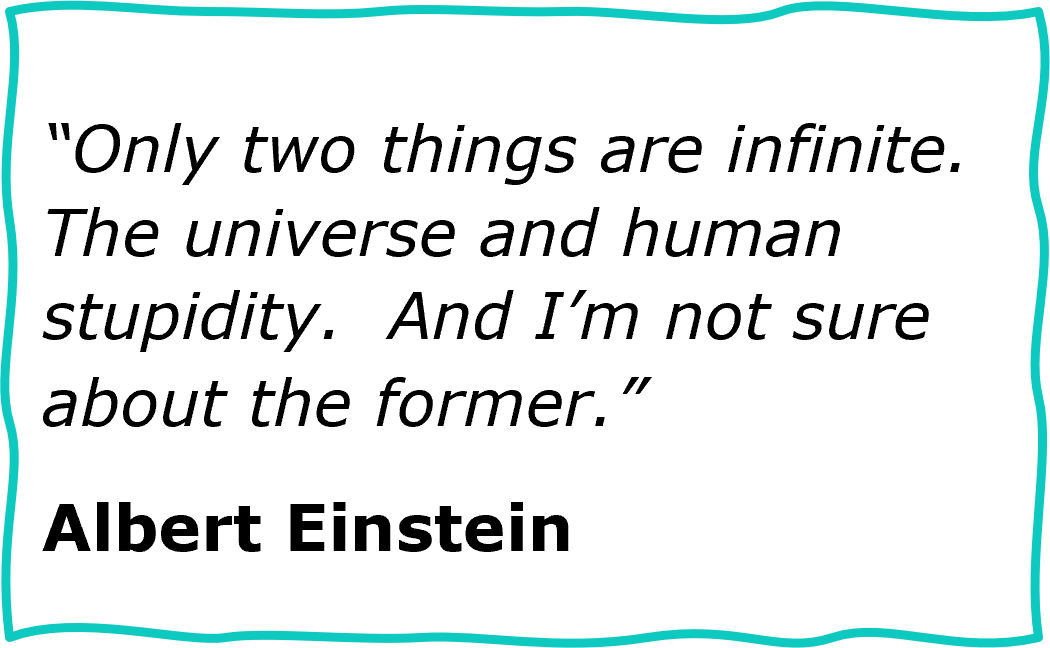
I know it is early days, but one emerging theme for 2027 is simple: try not to do anything stupid.
There will be plenty of opportunities. But many of them have a trap hidden inside, and over-committing to one exciting story will itself be one of the dangers of 2027:
Long-dated government bonds. There has been a massive 6 year downturn, whether looking at the UK or US. There are now signs of a bottom in place, and that money can be made. The trap is another shock hitting the long-term inflation outlook.
Corporate Bond funds. Attractive yields of 5-6% from companies with decent quality. The trap is a major recession e.g. driven by a much sharper rise in oil prices and conflict spreading.
Agriculture. The multi-year opportunity looks robust. The trap is in the short term when there are unusually good harvests, as has just occurred. The market started pricing in a weather disaster across the Summer, the scare didn’t happen, the US harvest came in big, and speculators headed for the exit.
Uranium. Again the longer term potential is clear, notably due to the demand from nuclear power. The trap for investors is when there are wrinkles in the market, and a disconnect between the uranium price and the miners.
Gold. The trap is getting back in too soon. The good news is that the gold bugs are losing their enthusiasm, having taken a sizeable hit since the January peak. We wait patiently.
India. The potential to continue developing this young country is huge, and, after two years going sideways and down, the stock market bounced sharply in recent weeks. The trap is that the recent sharp upswing was driven by the falling oil price – a recovery in the oil price will quickly reverse stock market momentum.
China. Much of this huge market is cheap, and they lead the world in a number of key industries. The lack of vigour in the governments reform programme, and dwindling confidence amongst domestic investors, means that the trap is boredom rather than a collapse in equity prices.
Mainstream stock markets are also full of opportunities.
Starting with the UK stock market, it is the cheapest stock market in the developed world. The economy has been remarkably resilient in 2026, far surpassing exceedingly low expectations, and it grew faster than any other G7 economy in the first half of 2026, a momentum which appears to have carried into the second half of the year.
The most compelling opportunities are still amongst small and medium-sized companies, more so than the FTSE 100.
But within the stock market domestic investors remain persistent net sellers, with UK pension funds shifting heavily overseas, particularly US equities (nothing to worry about there!). This contrasts with countries such as France, Australia and Japan, where tax incentives encourage investment into domestic assets.
The most obvious trap is recession, driven by a sharp oil price rise as with corporate bonds, see above.
Now Europe. We appear to be in an era of extreme sensitivity to elections and political decisions. European stock markets are full of opportunities similar to the UK. But you see the pictures on your television of some turmoil on the streets of France, Germany, Spain and Italy.
France, Spain and Italy all face important national elections over the coming year, while Germany has a string of state elections. Each creates scope for a political accident at precisely the moment governments need to make unpopular fiscal decisions.
At the moment the pain is being taken in European bond markets (rising yields) rather than stock markets. But contagion is likely if politicians continue to avoid tough decisions, on cost-cutting, or make expensive promises to be re-elected.
The latter risk, a considerable one, will not change until electorates sees austerity as being in their interests, and that will not happen any time soon
In each of the above cases the possible outcomes are a long way apart – risk and reward are very polarised. This is why you must spread your investments prudently, not over-committing to one asset class or assuming one simplistic outcome in an increasingly complex world.
One major fund manager told us this in recent days that they see three big trends already unfolding:
1. Private to public: investors are beginning to move away from private markets back into public markets because they need liquidity.
2. Passive to active: investors are seeing the concentration in their passive funds as a major risk.
3. Diversification away from the US: reducing US exposure, namely by buying emerging markets and Europe.
These are all constructive for stock market investing, and will likely underpin positive trends for years to come. But in the short term, we will all need to navigate some awkward passages of time, and be careful not to do anything stupid.
Over the last week, India and US tech take the top prizes, up around 5%. Most other world stock markets were up between 1% and 3%, so a positive week. Japan was barely changed, and China was the notable laggard, down 3%. In commodities, uranium miners were bouncing, up 8%, and gold was lower again. Oil was down nearly 2%, but it is turning up in the last couple of days – moves in oil will have outsize consequences in the weeks and months ahead.
Last but not least, the pivotal S&P 500.For all the noise, it has gone virtually nowhere in six months – higher at times, lower at others, but with no decisive direction emerging from this volatile torpor. A decisive break below the 7,250–7,350 support area would change that picture and could open the way to a considerably lower level.
Until then, we watch rather than guess.